
As a leading manufacturer of disposable medical devices, including infusion sets, syringes, and oxygen therapy products, our company is committed to advancing patient care through innovation, holding 16 invention and utility model patents. Our product portfolio features patented designs such as the combined steel needle infusion set, low-resistance syringe, precision filtration infusion set, and combined suction catheter. Ensuring the correct and safe use of our infusion sets is critical for optimal therapeutic outcomes. This article outlines essential guidelines for proper usage and clarifies common clinical scenarios for their application.
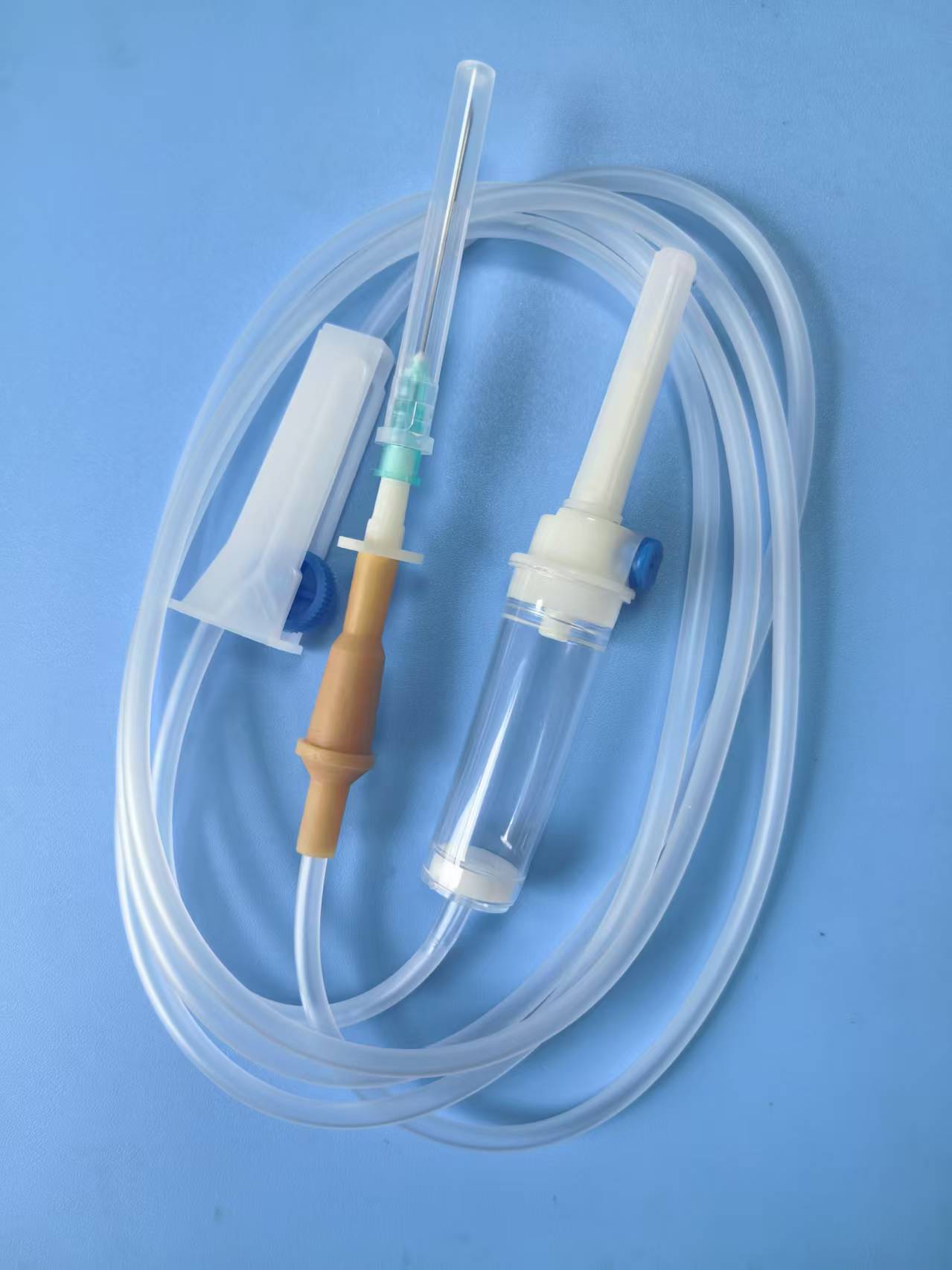
I. Correct Usage Procedure
Adhering to a strict aseptic technique is paramount throughout the process to prevent infections.
Preparation and Inspection:
Verify the physician’s order, including the medication, dosage, and infusion rate.
Select the appropriate infusion set. For vesicant drugs, unstable medications, or pediatric/geriatric patients, our Precision Filtration Infusion Set is recommended to reduce the risk of phlebitis and particulate administration.
Inspect the packaging for damage, integrity seals, and the expiry date. Do not use if compromised.
Wash hands thoroughly and prepare the medication vial or bag as per protocol.
Priming the Tubing (Removing Air):
After spiking the infusion bag/bottle, close the flow regulator clamp.
Squeeze the drip chamber to fill it halfway with fluid.
Open the clamp and slowly prime the entire tubing, allowing fluid to flow from the needle adapter until all air bubbles are expelled. Close the clamp once primed.
Venipuncture and Initiation:
Disinfect the patient’s injection site appropriately and allow it to dry.
Perform venipuncture using the needle (e.g., our Combined Steel Needle for stability).
Secure the catheter/needle with a sterile dressing. Open the flow regulator and adjust to the prescribed rate using the roller clamp.
Label the site with date, time, and device type.
Monitoring and Disposal:
Monitor the infusion site regularly for signs of complications: redness, swelling, pain (infiltration), or coolness and pallor (indicating possible extravasation).
Observe the drip rate periodically to ensure adherence to the prescribed rate.
Once the infusion is complete or at the mandated change interval (typically every 24-96 hours per CDC guidelines), close the clamp.
Remove the set carefully, apply pressure to the site, and dispose of the entire used infusion set immediately in a designated sharps/medical waste container. Disposable infusion sets must never be reused.
II. Common Clinical Applications (When to Use an Infusion Set)
Infusion sets are indispensable tools for administering fluids and medications directly into the bloodstream, ensuring rapid and controlled delivery.
Fluid and Electrolyte Replacement: To correct dehydration, electrolyte imbalances (e.g., in patients with severe vomiting, diarrhea, or burns), or to maintain hydration in patients unable to take oral fluids.
Medication Administration:
Drugs Not Absorbed Orally: For medications that are ineffective or destroyed by the digestive system (e.g., many antibiotics, insulin, certain heart medications).
Rapid Action Required: In emergencies where immediate therapeutic effect is needed (e.g., epinephrine for anaphylaxis, nitroglycerin for chest pain, potent analgesics).
Controlled and Continuous Delivery: For medications requiring steady blood levels (e.g., chemotherapy, inotropes like dopamine, total parenteral nutrition).
Blood and Blood Product Transfusions: For administering packed red blood cells, platelets, plasma, or intravenous immunoglobulin.
Diagnostic and Therapeutic Procedures: To deliver contrast agents for imaging studies (e.g., CT scans) or for performing therapeutic plasmapheresis.
Our innovative designs, such as the low-resistance injection port and precision filtration membrane, are developed to address specific clinical needs—enhancing safety, reducing nurse workload, and improving patient comfort. By following these guidelines and understanding the indications, healthcare professionals can leverage disposable infusion sets to deliver efficient, safe, and effective patient care.
Post time: Dec-17-2025