
Facing complex global public health needs and continuous technological upgrades, the syringe market is undergoing profound transformation. Once considered “ordinary medical consumables,” syringes are now evolving towards intelligent, safe, and personalized directions, becoming a critical component of the global medical industry chain.
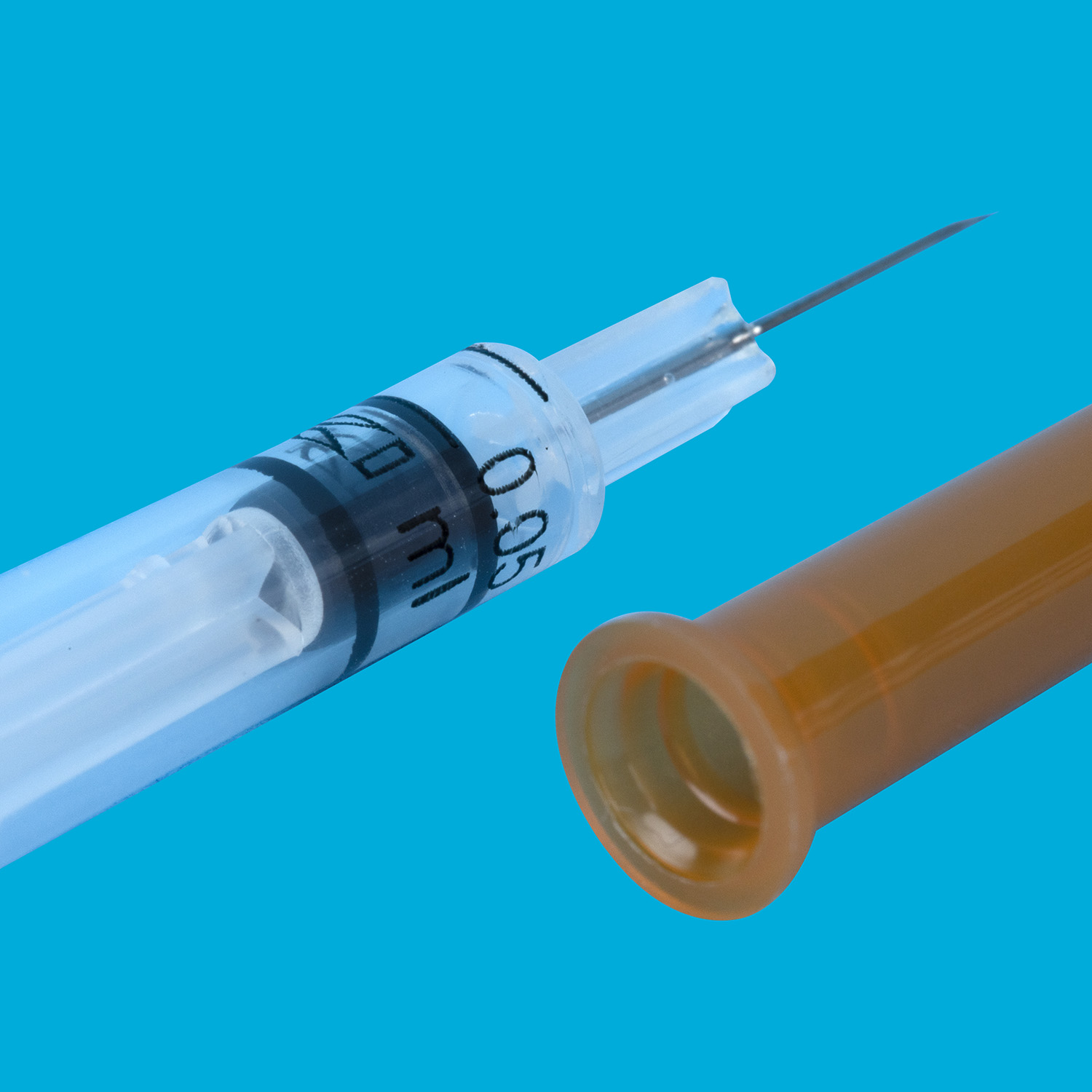
The Asia-Pacific region consumes 39.83% of the global syringe market, making it the largest market worldwide. Correspondingly, global syringe market sales reached $10.68 billion in 2025 and are projected to continue expanding at a compound annual growth rate (CAGR) of approximately 6.3% between 2026 and 2034.
01 Market Status and Scale
The global syringe market is growing at a considerable pace. Data indicates that global syringe and needle revenue was approximately RMB 71.57 billion (about $10.22 billion) in 2025 and will maintain steady growth in the coming years.
Geographically, the Asia-Pacific region is the largest consumer, accounting for 39.83% of total consumption in 2019. Europe and the United States consumed 26.12% and 19.33%, respectively, with these three regions forming the core of global syringe consumption.
The product structure shows clear diversification. While conventional syringes retain a share, safety syringes and prefilled syringes have become market leaders, holding 37.33% and 35.69% of global revenue share in 2019, respectively. Prefilled syringes are gaining wider acceptance due to their convenience, dose accuracy, and lower contamination risk.
02 Demand-Side Evolution
The drivers of the syringe market are changing structurally. The rise in chronic disease management is a key factor. Increasing cases of diabetes, cancer, and autoimmune diseases are fueling continuous demand for high-quality syringes. Global diabetes cases are projected to reach 783 million by 2045, boosting demand for insulin delivery systems supporting multiple daily injections.
Simultaneously, the growth of self-injection and home healthcare is a new market force. As patients with diabetes, rheumatoid arthritis, and those requiring regular biologic injections increasingly prefer home-based treatment, demand for self-injection devices suitable for home use has surged. This trend is altering design philosophies and driving innovation in ease of use and safety.
Post-pandemic large-scale vaccination programs also provide sustained momentum. Gavi’s 2026-2030 roadmap allocates $500 million for emergency immunization stockpiles, anchoring baseline demand for WHO-prequalified auto-disable devices. 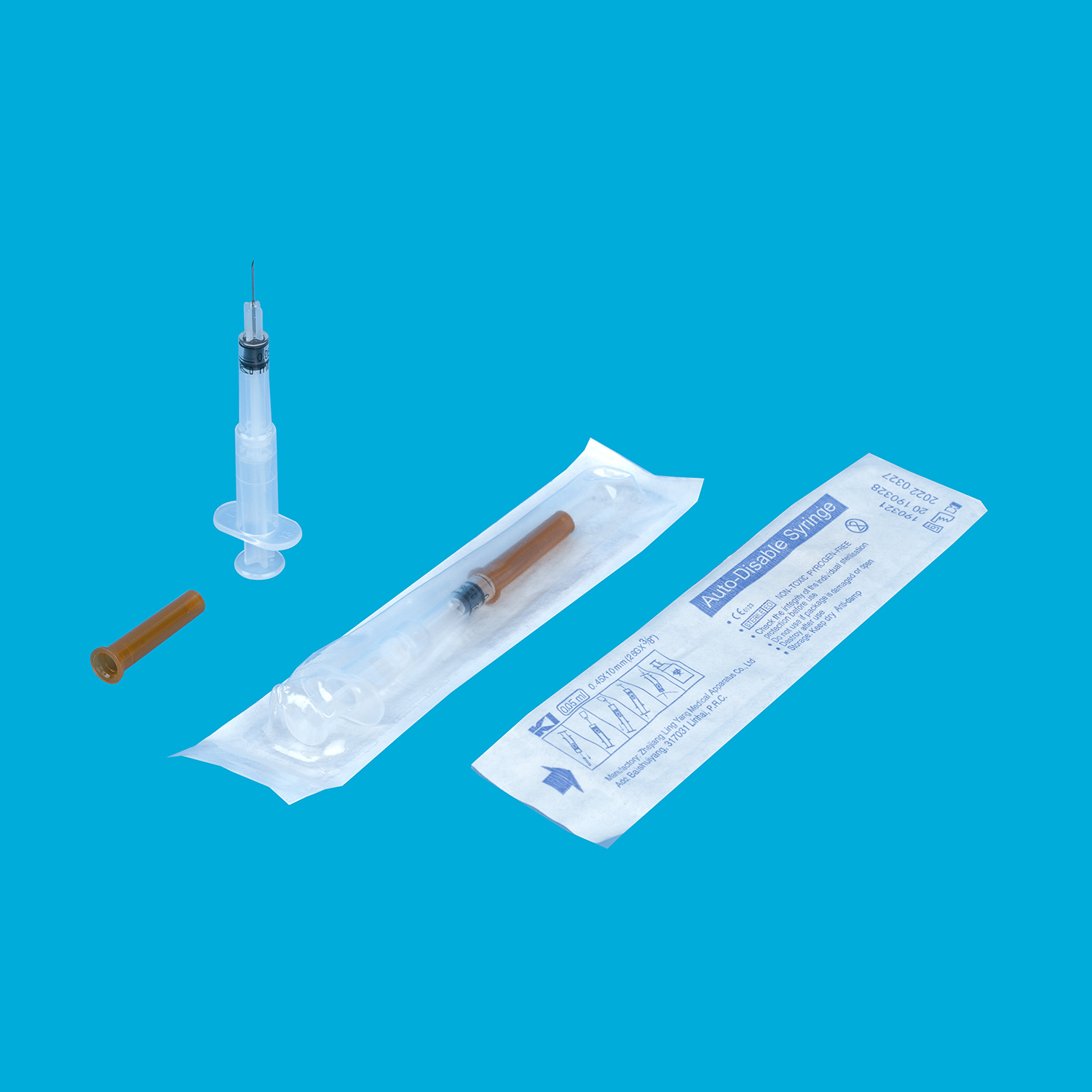
03 Technology and Product Innovation
Technological innovation is steering the industry toward safer and smarter solutions. Smart syringes and needles are reshaping the landscape. These devices feature micro-sensors to record injection data, dosage, and alert patients or professionals to errors.
Needle-free injection systems are emerging as another frontier technology. Using high pressure to deliver medication through the skin without a traditional needle, they offer an alternative for patients with needle phobia.
Syringe Type Key Features Drivers Growth Outlook
Safety Syringes Reduce needlestick injuries, protect healthcare workers Strict regulations, occupational safety policies Rapid growth (especially in North America and Europe)
Prefilled Syringes Accurate dosing, convenience, low contamination risk Growth of biopharmaceuticals, patient preference for convenient solutions Steady growth (particularly in chronic disease treatment)
Smart Syringes Data tracking, error alerts Digital health trends, remote monitoring needs Emerging growth area (integration with wearables, data platforms)
Expanded functionalities of smart syringes include integration with wearables, remote monitoring systems, and cloud platforms for closed-loop management and precise dose tracking. These innovations enhance patient experience and safety, transforming syringe companies from simple consumable suppliers into comprehensive injection solution providers.
04 Regional Market Landscape
Global syringe markets show distinct regional characteristics. The North American market, known for strict regulation and high medical expenditure, held a 39.91% revenue share of the global disposable syringe market in 2024. Manufacturers actively respond to FDA quality alerts, maintaining dominance through capacity expansion and technological upgrades.
The European market is a technology-driven, mature arena. Compliance with Medical Device Regulations prompts systematic product portfolio reviews. Sustainability directives add complexity, with procurement officers increasingly favoring products demonstrating verified recycling pilots or lower lifecycle emissions.
The Asia-Pacific region is the fastest-growing market, projected to achieve the fastest CAGR of 8.12% by 2030. Growth is driven by factors like India’s Production Linked Incentive scheme reducing import dependency from 70% to 50%, alongside rising chronic disease prevalence and an aging population.
Notably, emerging markets like Africa are improving access through localized production. Revital Healthcare, Africa’s first WHO-prequalified manufacturer, targets annual production exceeding 300 million units, reducing delivery costs by 15-20% compared to imports.
05 Challenges and Supply Chain Shifts
The industry faces challenges related to cost, regulation, and sustainability. Safety syringes retail at 2-3 times the price of conventional products, discouraging budget-constrained facilities from switching despite regulatory pressure.
The global supply chain is undergoing structural adjustment. FDA quality alerts in 2024 regarding China-manufactured syringes led hospital systems to shift orders to verified suppliers, triggering domestic US factory capacity expansion. This shift reinforces compliance importance and raises market entry barriers.
Environmental pressures are driving sustainable solutions. Healthcare generates 5.9 million tons of waste annually, with single-use devices comprising a quarter. Policymakers advocate for circular solutions, prompting industry evaluation of bio-based polymers and closed-loop collection pilots. Manufacturers are developing syringes from recycled and biodegradable materials.
For Chinese manufacturers, changes in the global trade environment are accelerating overseas production base establishment. To circumvent high tariffs in markets like the US and restore competitiveness, leading Chinese firms are expediting overseas production布局. This trend is expected to become more pronounced after 2026, when overseas bases become operational, potentially allowing Chinese companies to recapture US market share lost due to tariff policies.
Plastic syringe barrels currently hold a 67.23% market share, with demand for polypropylene and cyclic olefin polymer (COP) expanding at a 9.45% CAGR. Although holding a smaller share, glass syringes are growing steadily at a 7.92% CAGR, driven by the need for ultra-low extractable environments for high-value biologics.
The syringe industry’s narrative is evolving from conventional to safe, from hospital to home, from simple tool to smart healthcare vehicle. Moving forward, with the development of precision medicine and digital health, the industry will continue to evolve in product form, application scenarios, and value proposition.
Post time: Jan-06-2026