
The rising global incidence of chronic diseases and an aging population are driving a silent revolution in the infusion set market. Infusion therapy is no longer confined to hospital wards but is quietly entering millions of households.
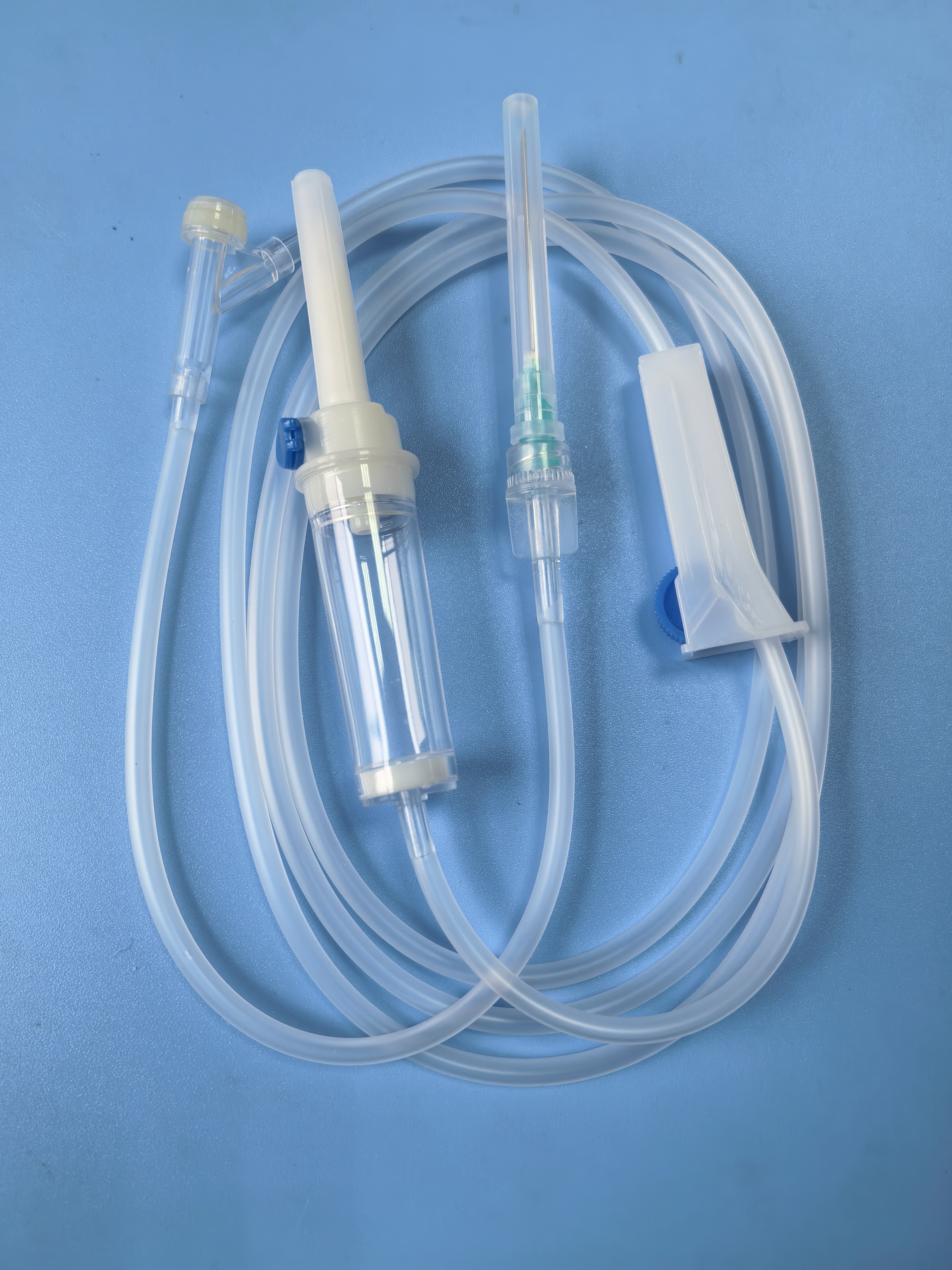
Infusion systems are becoming increasingly intelligent. The global market for advanced infusion systems is projected to continue growing in 2025, reaching $15.61 billion by 2031, with a compound annual growth rate (CAGR) of 6.6% during this period.
Demand for infusion equipment from hospitals, clinics, and home care institutions is becoming increasingly diverse. Technological advancements are transforming infusion sets from simple delivery tools into intelligent medical devices that integrate monitoring, data management, and personalized treatment.
01 Market Demand Drivers: Chronic Disease Management and Evolving Treatment Models
The global rise in chronic disease incidence is a core driver of growth in the infusion set market. Long-term conditions like diabetes, cancer, and heart disease require continuous, precise drug therapy, where infusion sets play a crucial role.
In 2024, over 537 million adults worldwide had diabetes, a number that continues to grow, driving demand for continuous insulin infusion.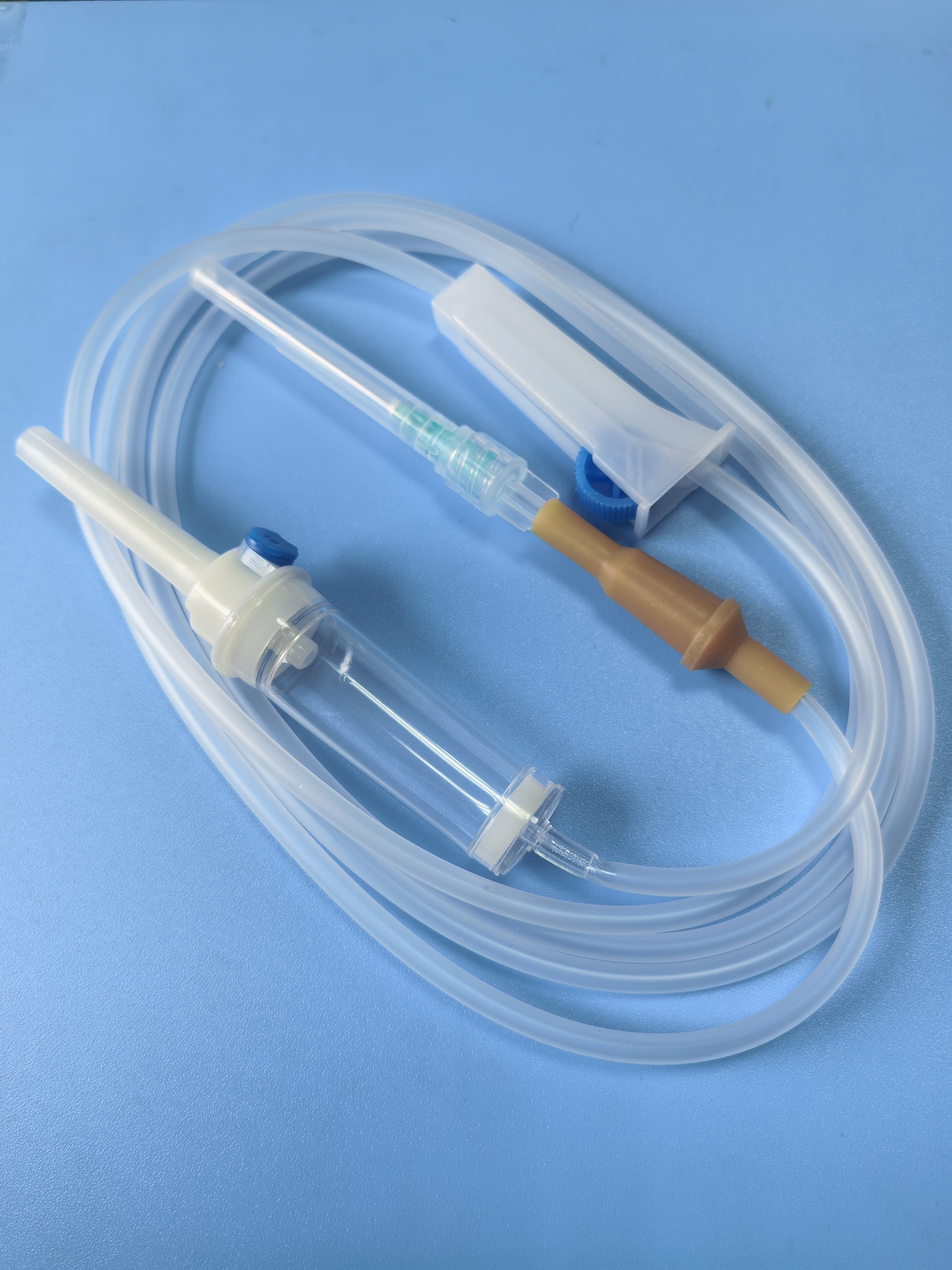
In oncology treatment, complex chemotherapy regimens require infusion systems capable of precisely controlling flow rates, ensuring drug administration within strict therapeutic windows while minimizing drug wastage.
The global population is aging significantly. By 2025, the proportion of China’s population aged 60 and above had reached 18.3%. The elderly often suffer from multiple chronic conditions requiring complex drug regimens, further increasing the need for advanced infusion systems.
02 Shift in Procurement Focus: Balancing Safety, Precision, and Accessibility
Procurement standards for infusion sets within healthcare systems are undergoing significant changes. The traditional “lowest cost first” strategy is gradually giving way to a comprehensive consideration of safety, accuracy, and overall accessibility.
Medication safety has become the primary consideration for healthcare institutions when selecting infusion systems. Advanced infusion systems offer features like alarm management, real-time monitoring, and automatic documentation to minimize medication errors.
Some hospitals have deployed smart pump systems integrated with Electronic Medical Records (EMR), reducing manual keystrokes by 86% and generating $370,000 in incremental revenue over 8 months through automatic charge capture.
Another key shift in procurement decisions is the emphasis on patient accessibility. With the rapid development of infusion therapy in homes and alternative care sites, healthcare systems increasingly favor portable, easy-to-operate infusion devices.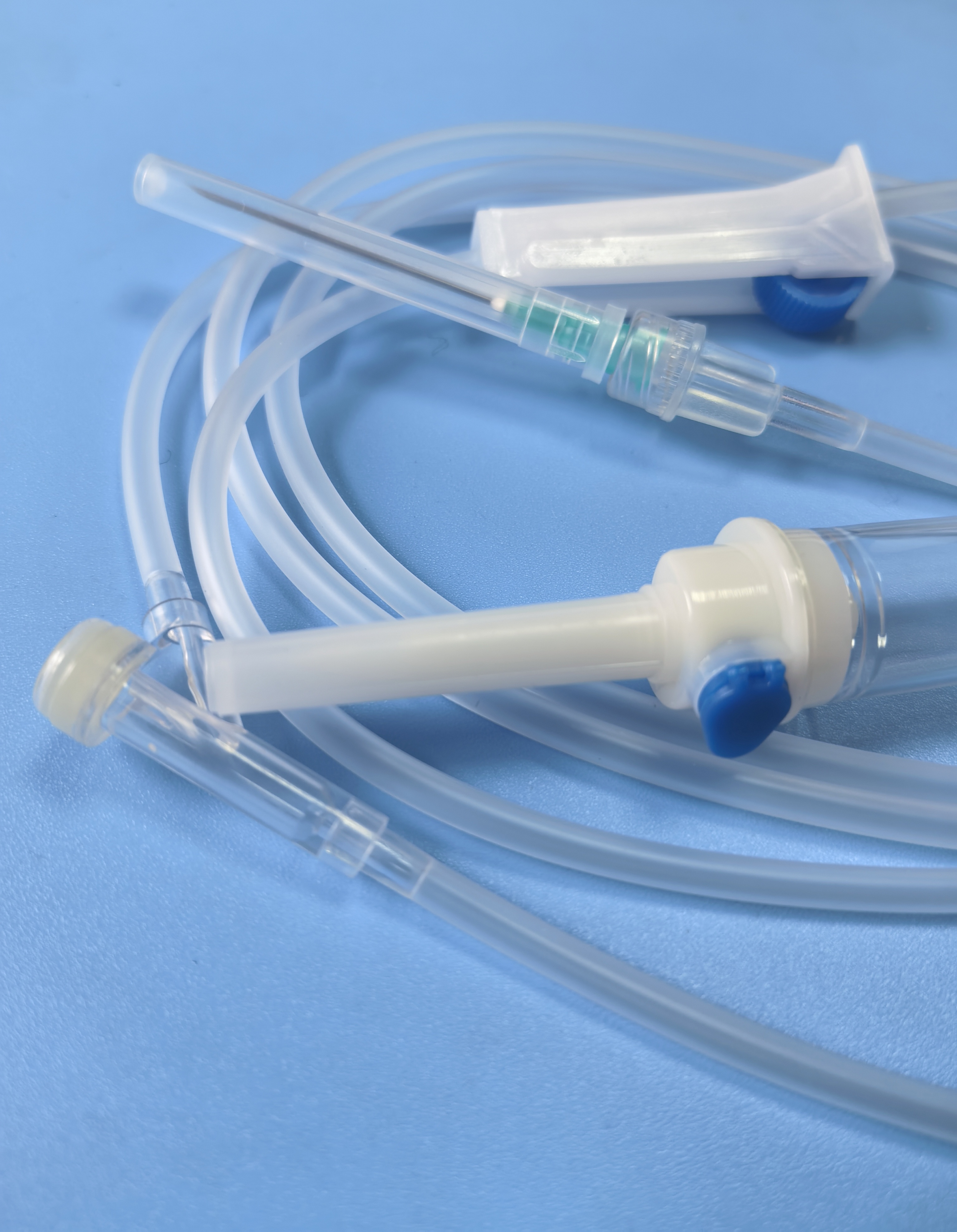
These devices enable safe administration of chemotherapy, parenteral nutrition, and antibiotic therapy outside hospitals while maintaining connection with healthcare professionals through remote monitoring systems.
03 Product Technology Evolution: From Simple Infusion to Intelligent Therapy Systems
Infusion set technology is undergoing a profound transformation from simple mechanical devices to intelligent, personalized therapy systems. The integration of smart technology is currently the most notable trend.
Advanced infusion systems are increasingly incorporating Internet of Things (IoT) technology, enabling real-time monitoring and data collection. This allows healthcare providers to assess patient response and adjust treatment plans accordingly.
Enhanced connectivity improves interaction between different devices and medical systems, enabling more effective patient care. For example, Baxter’s Novum IQ infusion platform has received FDA approval. This pump integrates with existing syringe pumps on a single platform, improving patient safety and clinician workflow efficiency through its dose error reduction technology and customized drug libraries.
Product design is also moving towards greater personalization and user-friendliness. The development of personalized medicine is leading infusion pumps to increasingly adopt tailored dosing regimens to meet the specific needs of individual patients.
Simultaneously, the growing trend of home healthcare is increasing the acceptance of home infusion devices, driving innovations in infusion pump design to make them easier for patients and caregivers to use.
04 Global Market Landscape: Dual Trajectories in Mature and Emerging Markets
The global infusion set market shows distinct regional variations, with North America, Europe, and the Asia-Pacific region each having unique characteristics.
The North American market accounted for 38.77% of global intravenous infusion pump revenue in 2024. This is primarily due to reimbursement models funding smart pump adoption and clinical guidelines mandating dose error reduction software for high-risk medications.
The Asia-Pacific market is the fastest-growing region globally, projected to advance at a CAGR of 9.78%. This growth is fueled by healthcare modernization efforts in countries like China and India, alongside burgeoning medical tourism.
The Chinese market is particularly prominent. The disposable infusion set market reached RMB 10 billion in 2025 and is expected to exceed RMB 13 billion by 2026. Government policy support for the healthcare sector, such as the “Healthy China 2030″ plan, provides a favorable development environment.
Regional Market Key Characteristics Growth Drivers Representative Players / Dynamics
North America Technological leadership, strict regulation, high smart pump penetration Well-established reimbursement models, clinical guidelines, high healthcare expenditure Dominated by international giants like Baxter, BD, Cardinal Health
Europe Focus on patient safety, high sustainability requirements Strict Medical Device Regulations, trend towards eco-friendly packaging Companies like Fresenius Kabi, B. Braun emphasize compliance and environmental protection
Asia-Pacific Fastest growth, huge market potential Healthcare infrastructure expansion, increasing chronic disease burden, policy support Rise of local players like Weigao Group, Nipro Corporation
China Large scale, growing competitiveness of local firms Aging population, healthcare system improvement, policy support Local enterprises like Shandong Weigao Group hold significant market share
05 Future Trends: Connectivity, Personalization, and Sustainability
Looking ahead, the infusion set market will continue to deepen its development across three dimensions: connectivity, personalization, and sustainability.
Deep integration with digital health ecosystems will become an inevitable trend. Future infusion systems will integrate not only with EMRs but also connect with broader digital health infrastructures like remote patient monitoring platforms and clinical decision support systems.
This connectivity will enable more comprehensive patient data collection and analysis, supporting the shift towards value-based care models.
Further development of personalized treatment plans will drive infusion technology towards greater precision. With advances in genomics and precision medicine, infusion systems will need to dynamically adjust dosing regimens based on individual patient genetic profiles, metabolic rates, and treatment responses.
Integration of AI algorithms will enable infusion systems to predict patient treatment responses and automatically optimize dosing regimens, achieving truly personalized therapy.
Sustainability is increasingly becoming a key consideration in product design and procurement decisions. Eco-friendly packaging, biodegradable materials, and more energy-efficient devices are receiving growing attention.
Manufacturers are exploring the use of biodegradable materials for infusion set components and developing more energy-efficient infusion pumps. These innovations respond to environmental regulations and meet healthcare institutions’ commitments to sustainable development.
Simultaneously, the potential of disposable infusion sets in China’s rural market is gradually being unlocked, becoming a new driver of overall market growth. In urban hospitals, sales of intelligent infusion sets already account for 10% of the total market, a figure projected to rise to 15% by 2026.
From hospital wards to patients’ homes, from simple fluid infusion to complex personalized treatment plans, infusion sets are redefining the methods of drug administration in modern healthcare.
Post time: Jan-06-2026