
As a renowned manufacturer specializing in disposable medical devices, including infusion sets,syringe, and oxygen therapy products, our company holds 16 invention and utility model patents. We have independently developed innovative products such as combined steel needle infusion sets, low-resistance syringes, precision filtration infusion sets, and combined suction catheters. Ensuring the highest quality and safety of our disposable syringes is paramount, guided by rigorous international standards. Below is an overview of the primary standards and essential considerations for their application.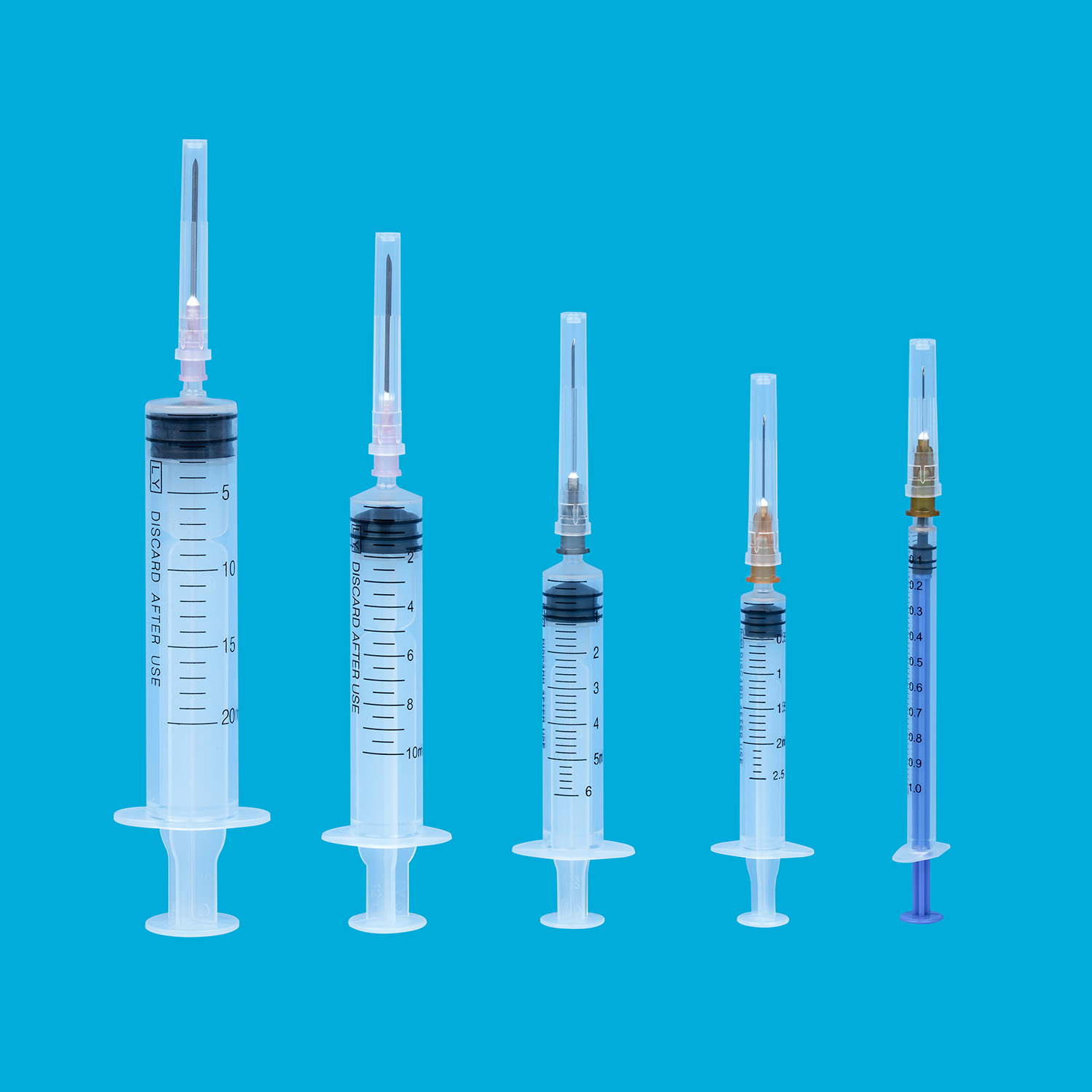
Applicable International Standards
Disposable syringe production and compliance are primarily governed by ISO 7886-1:2017, “Sterile hypodermic syringes for single use – Part 1: Syringes for manual use.” This standard specifies requirements for sterility, design, performance (e.g., smoothness of plunger movement, force required for operation), and labeling. Additionally, ISO 11608 series for needle-based injection systems, along with regional regulations such as the EU Medical Device Regulation (MDR) and FDA guidelines in the United States, provide comprehensive frameworks for safety, biological evaluation (ISO 10993), and risk management (ISO 14971).
Key Usage and Compliance Considerations
Material Safety and Biocompatibility: All syringe components must use medical-grade materials that comply with ISO 10993 for biological evaluation. This ensures no toxic, irritant, or allergic reactions during patient contact.
Sterility Assurance: Syringes must be manufactured and sterilized under controlled environments, validated according to ISO 11135 (ethylene oxide sterilization) or ISO 11137 (radiation sterilization). Packaging integrity (ISO 11607) is critical to maintain sterility until point of use.
Performance and Functionality: Syringes should meet precise volume accuracy, low resistance during aspiration and injection (especially critical for our low-resistance syringe design), and secure needle attachment to prevent leakage or detachment. Compatibility with medications, including resistance to chemical interaction, must be verified.
Labeling and Instructions: Clear labeling per ISO 15223 for symbols, along with instructions for use (IFU) in appropriate languages, is mandatory. Information should include volume scale, expiry date, sterility indicator, and single-use warning to prevent reuse.
Risk Management and Traceability: Implementing ISO 14971 for risk assessment—addressing potential hazards like needlestick injuries, residual lubricants, or particulate matter—is essential. Unique Device Identification (UDI) systems enhance traceability and post-market surveillance.
Practical Recommendations for Healthcare Providers
Always inspect packaging integrity and sterility before use.
Do not reuse syringes under any circumstances to avoid cross-contamination and infection.
Ensure proper needle disposal in designated sharps containers compliant with local regulations.
Follow medication compatibility guidelines to prevent chemical interactions with syringe materials.
Adherence to these international standards not only guarantees product safety and efficacy but also supports global market access. Our commitment to innovation, evidenced by our patented low-resistance and precision filtration products, aligns with these standards to deliver reliable, patient-centric solutions worldwide.
Post time: Dec-17-2025